August 22, 2026
The 10 Best Foods to Keep for an Emergency (and How to Store Them)
You don’t need a basement full of survivalist food to be prepared for an emergency.
A few days without power, a snowstorm, hurricane, flood, or other disruption can make a normal trip to the grocery store surprisingly difficult. The goal isn’t to build a bunker. It’s to have a small supply of foods your family will actually eat, that can sit safely in the pantry, and that don’t require a refrigerator or complicated cooking.
The USDA and FoodSafety.gov recommend keeping at least a three-day supply of food on hand for emergencies. Ideally, those foods should have a long storage life and require little or no refrigeration, cooking, or water.
So what should you actually buy?
Here are my 10 favorites.
1. Canned beans
Why: Beans are one of the best emergency foods because they’re inexpensive, filling, and provide protein, carbohydrates, and fiber. Black beans, chickpeas, kidney beans, and cannellini beans all work.
The biggest advantage is convenience: canned beans are already cooked. You can eat them cold if necessary, or add them to rice, soup, pasta, or tortillas when you have a way to heat them.
How to store: Keep unopened cans in a cool, dry, dark place. Commercially canned low-acid foods such as beans generally have a shelf life of about 2–5 years for best quality.
Mogumogu tip: Buy the beans your family already eats. Emergency food shouldn’t feel like punishment.
2. Rice
Why: Rice is cheap, versatile, calorie-dense, and easy to combine with almost anything. It turns a small amount of canned meat or vegetables into a much more substantial meal.
White rice is particularly useful for emergency storage because it keeps much longer than brown rice, whose natural oils make it more prone to becoming rancid.
How to store: Keep rice sealed in its original packaging or transfer it to an airtight container. Store it somewhere cool, dry, and dark, away from insects and rodents. USDA guidance lists dry rice among shelf-stable foods, with about two years of shelf storage in its standard packaging.
Mogumogu tip: Don’t buy a 50-pound bag just because it has a long shelf life. Buy an amount you’ll realistically rotate through.
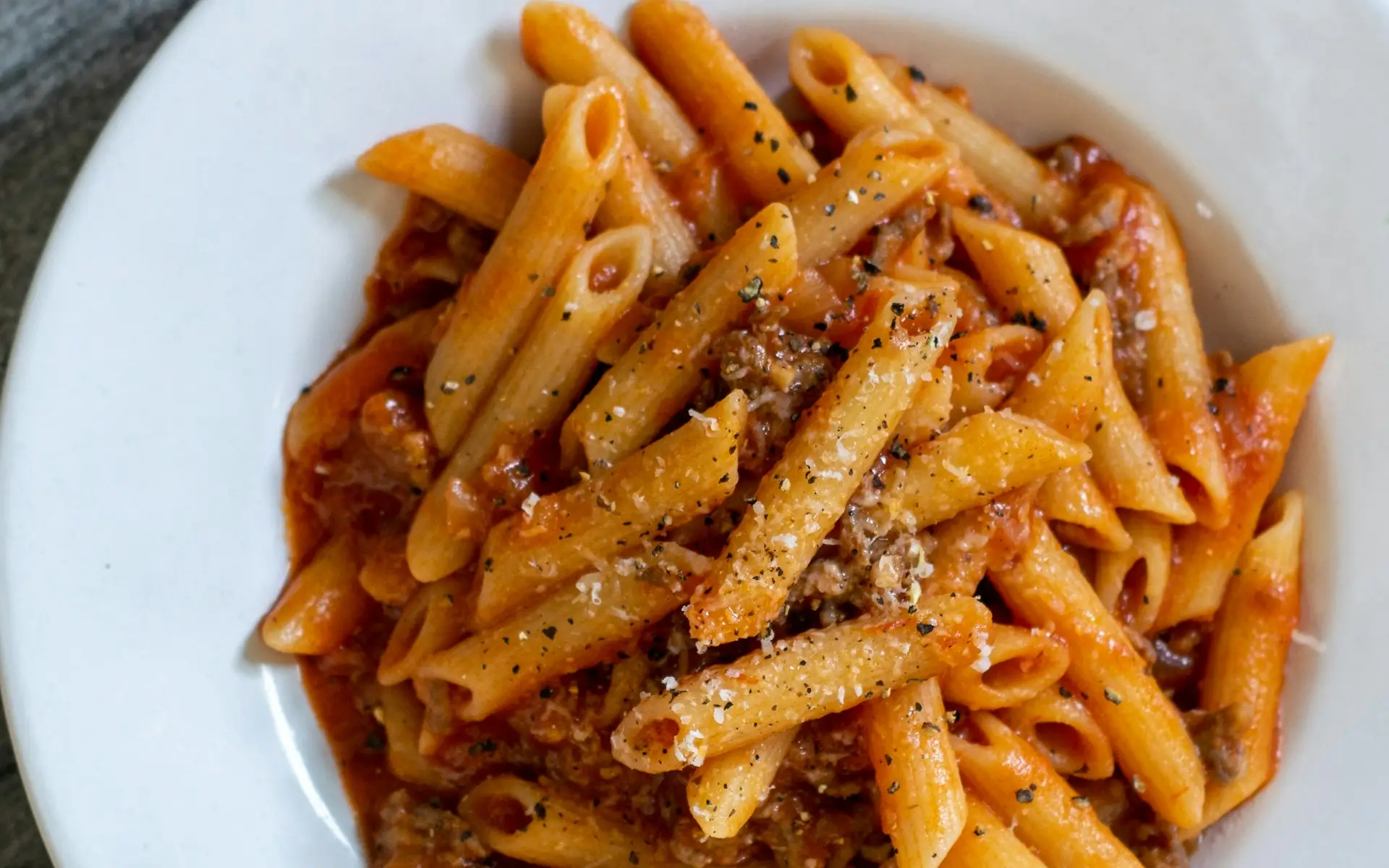
3. Pasta
Why: Pasta is another inexpensive way to turn a few ingredients into a meal. It stores easily, takes little space, and works with canned tomatoes, beans, tuna, vegetables, or simply olive oil and seasonings.
How to store: Keep unopened pasta in a cool, dry pantry. Once opened, use an airtight container to keep insects and moisture out. USDA lists dry pasta at about two years of shelf storage.
Mogumogu tip: Keep a few familiar shapes your family likes rather than buying specialty pasta specifically for emergencies.
4. Canned vegetables
Why: Vegetables are easy to overlook when preparing for an emergency because people naturally focus on calories and protein. But an emergency diet doesn’t have to mean eating nothing but rice and meat.
Corn, green beans, peas, carrots, and mixed vegetables can make otherwise boring emergency meals much better. They’re also already cooked, so they can be eaten straight from the can if necessary.
How to store: Store unopened cans in a cool, dry place. USDA guidance puts many low-acid canned vegetables at roughly 2–5 years for best quality. Avoid cans that are swollen, leaking, heavily rusted, or severely dented.
5. Canned fruit
Why: This is the category I would add specifically for morale.
When you’re dealing with a power outage or another stressful situation, having something sweet and familiar can make a surprisingly big difference. Canned peaches, pears, pineapple, applesauce, and fruit cocktail are easy to eat and require no preparation. They also provide some carbohydrates and fluids.
How to store: Keep cans somewhere cool and dry. High-acid canned foods such as fruit generally have a shorter quality window than canned beans or vegetables — roughly 12–18 months according to USDA guidance.
That makes canned fruit a great candidate for first in, first out rotation: eat the older cans and replace them with new ones.
6. Peanut butter
Why: Peanut butter packs a lot of calories and fat into a relatively small container, requires no cooking, and is easy to eat with crackers, bread, oatmeal, or fruit. It’s particularly useful when you don’t have access to a stove.
How to store: Follow the manufacturer’s storage instructions. Conventional peanut butter is generally much easier to store than natural nut butters, which can have different storage requirements.
Mogumogu tip: Don’t forget allergies. If anyone in your household has a peanut allergy, substitute another shelf-stable nut or seed butter that’s appropriate for your family.
7. Canned tuna or other shelf-stable protein
Why: Protein is one of the harder things to get when you’re relying entirely on pantry foods.
Canned tuna, salmon, chicken, or commercially packaged shelf-stable meat can solve that problem. They can be mixed into rice or pasta, added to beans, or eaten with crackers.
How to store: Keep unopened cans or shelf-stable pouches in a cool, dry place. Follow the manufacturer’s storage instructions, since shelf life varies by product and packaging. USDA notes that commercially packaged shelf-stable foods such as retort pouches are designed to remain safe without refrigeration until opened.
8. Oatmeal
Why: Oatmeal is one of the easiest emergency breakfasts.
Add water, heat it if you can, and you’ve got a warm meal. If there’s no power, some varieties can also be prepared with room-temperature water, although the texture won’t be the same.
Oats also pair well with peanut butter, dried fruit, honey, cinnamon, or shelf-stable milk.
How to store: Keep unopened oatmeal in a cool, dry pantry. After opening, use an airtight container to protect it from moisture and pests.
Mogumogu tip: Keep some of the toppings your family normally uses. A little cinnamon, honey, dried fruit, or peanut butter can make emergency oatmeal much more appealing.
9. Crackers
Why: Crackers don’t require cooking, utensils, or refrigeration. They’re an easy way to turn canned tuna, peanut butter, cheese, or other pantry foods into a meal. They’re also useful when you simply don’t feel like cooking during an emergency.
How to store: Keep them sealed and protected from moisture. Once opened, use an airtight container or resealable bag.
Because crackers generally don’t have the same shelf life as canned goods, they’re another item worth rotating regularly rather than buying once and forgetting about.
10. Shelf-stable milk
Why: Milk makes several other emergency foods much more useful. It can go into oatmeal, cereal, coffee, sauces, or simply be consumed on its own.
Shelf-stable UHT milk can be stored unopened at room temperature because it has been commercially processed and packaged for shelf stability.
How to store: Keep unopened packages in a cool, dry place and refrigerate after opening according to the package instructions.
For households with children, this is especially useful because it gives you another familiar food option when the refrigerator isn’t available.
The secret isn’t buying emergency food. It’s rotating it.
The biggest mistake people make with emergency food is creating a box labeled “EMERGENCY — DO NOT TOUCH” and then forgetting about it for five years.
That’s not how I’d do it.
Instead, build your emergency supply into your normal pantry. If you normally eat rice, buy extra rice. If your family eats black beans, keep several cans. If everyone loves pasta, keep extra pasta.
Then use the oldest products first and replace them when you go grocery shopping.
This approach has two advantages: you’re less likely to waste food, and you already know your family will actually eat what’s in the emergency supply.
And don’t assume that a date printed on a package automatically means the food becomes dangerous that day. USDA explains that “Best if Used By” dates generally indicate quality, not safety, although you should always inspect food for signs of spoilage and follow the manufacturer’s instructions.
Store it somewhere boring
The best emergency-food storage location isn’t necessarily the basement or garage.
FoodSafety.gov recommends a cool, dry, dark location, ideally around 40°F–70°F, and away from heat sources. Food should also be protected from insects, rodents, and floodwater. That means:
- A pantry is great.
- A climate-controlled basement can work.
- A hot garage is usually a bad choice.
- An attic is generally a bad choice.
- Don’t put food directly on the floor if flooding is possible.
Heat is particularly important. Food stored at a consistently high temperature can lose quality much faster than the same food stored in a cool pantry.
Don’t forget the food you can’t eat
Emergency planning isn’t only about calories.
Think about your actual household. Do you have a baby who needs formula? Someone with a food allergy? A family member who follows a particular diet? Pets?
Those needs should be part of your emergency supply too. USDA specifically recommends considering infant formula and pet food when preparing for an emergency.
And keep a manual can opener with your emergency food. It sounds obvious — until the power goes out and you discover that your electric can opener is useless.
And then there’s water
Food gets all the attention, but water is arguably more important.
FoodSafety.gov recommends storing at least one gallon of water per person per day, including consideration for pets, with more potentially needed in hot conditions or for particular household needs.
For a family of four, even three days means thinking about 12 gallons of water. That’s a lot more space than three days of pasta.
So if you’re starting from scratch, I’d prioritize water before spending a lot of money on specialty freeze-dried meals.
My ideal emergency pantry
If I were starting from zero, I wouldn’t buy a giant survival-food kit. I’d build something like this:
- Rice — cheap, filling, versatile
- Pasta — an easy base for many meals
- Canned beans — protein, fiber, ready to eat
- Canned vegetables — nutrition and variety
- Canned fruit — carbohydrates, fluids, morale
- Peanut butter — high-energy, no cooking
- Canned tuna or chicken — convenient protein
- Oatmeal — an easy breakfast
- Crackers — no-cook food
- Shelf-stable milk — breakfast, cooking, familiar food
Add water, a manual can opener, basic seasonings, and foods your family actually enjoys. That’s enough to create a surprisingly useful emergency pantry without turning your home into a warehouse.
The goal isn’t to prepare for the apocalypse
For most families, emergency food isn’t about surviving for six months in the wilderness.
It’s about making Tuesday night a little easier when the power goes out. It’s about having dinner when a snowstorm shuts down the roads. It’s about not having to drive to the grocery store during a hurricane.
And it’s about having something familiar to eat when everything else feels uncertain.
The best emergency food is food you already know how to eat, already know your family likes, and will actually rotate through.
That’s not survivalism.
That’s just good pantry management.
This article is for general preparedness information, not individualized nutrition or food-safety advice. For food-safety decisions during an actual emergency, follow guidance from USDA, FDA, FoodSafety.gov, and local emergency officials.