October 12, 2026
Frozen Berry Recall: Check Your Great Value and Trader Joe’s Bags
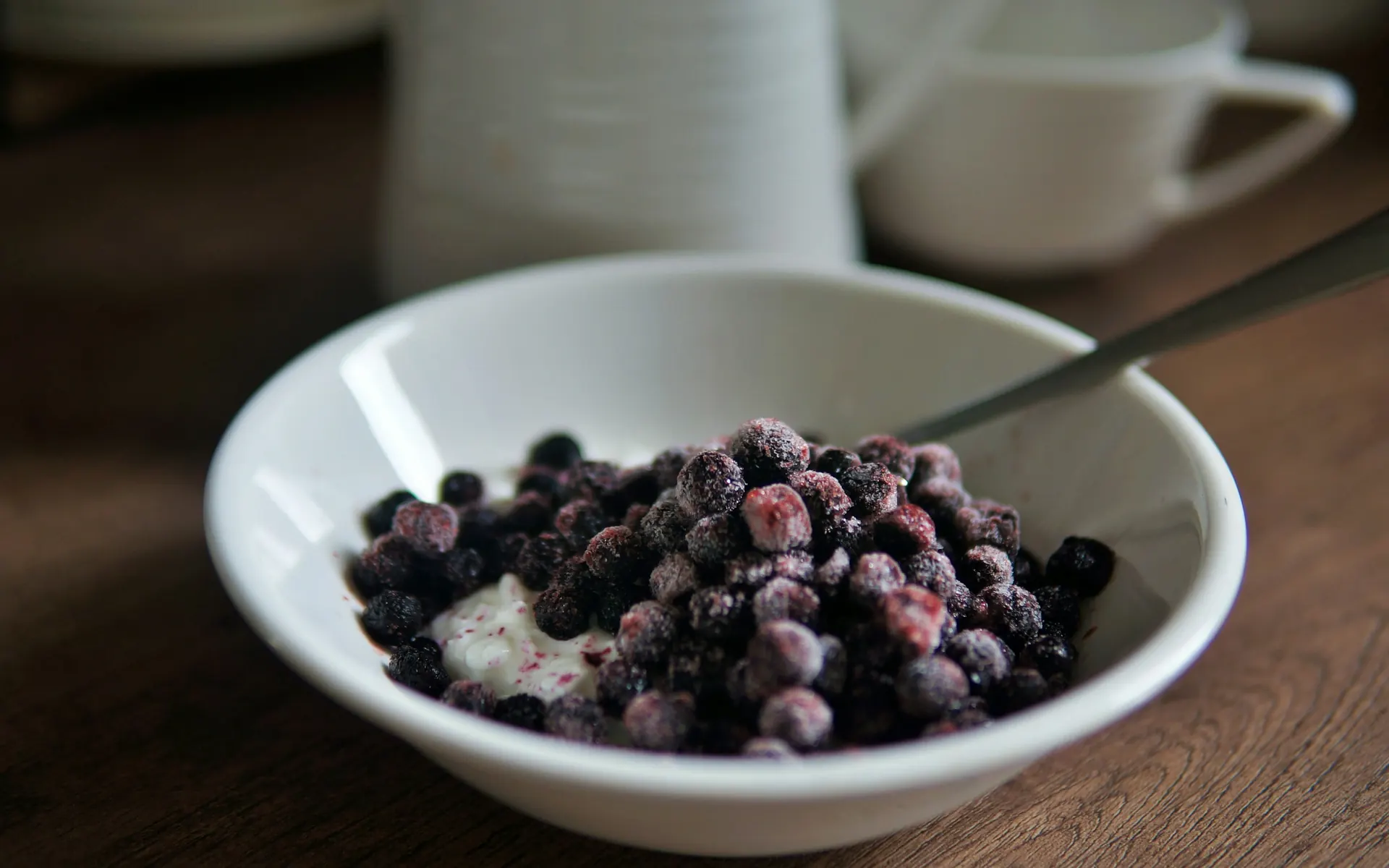
It’s 7:15 on a school morning. The blender is out, the kids want smoothies, and the bag of frozen berries goes straight from the freezer into the jar. A banana, some milk, thirty seconds. Breakfast.
It feels like the safest food in the house. It has been frozen solid for weeks. Surely nothing lives through that.
Something does. Freezing is a pause button, not an off switch.
Frozen isn’t cooked.
Frozen fruit that goes into the blender is raw fruit. Frozen peas thawed into a pasta salad are raw vegetables. And because a freezer keeps food for months, it keeps recalls for months too.
What’s in the news
On October 2, a Chilean supplier, Frutas y Hortalizas del Sur, expanded its recall of frozen organic berries over possible E. coli O145 contamination. It now covers lots of Great Value Organic Triple Berry Blend and Great Value Organic Blueberries, sold at Walmart in 30 states and Puerto Rico, and of Trader Joe’s Organic Mixed Berry Blend, sold in 26 states and Washington, D.C.
It follows earlier recalls from the same supplier: GreenWise blueberries at Publix in July, and one lot of the Great Value blend in September. The CDC linked frozen blueberries to an E. coli outbreak that made 17 people sick in Florida and Georgia, six of them badly enough to be hospitalized. They ranged in age from 2 to 88.
The detail that matters most is on the back of the bag. The recalled berries are stamped best by January, February and June of 2028. Frozen food is meant to last, and it does — so some of these bags will still be in freezers long after the news has moved on.
The same week, the Listeria recall of Walmart’s bettergoods Lemon Alfredo Fettuccine, a frozen pasta, was expanded to every lot. No illnesses have been reported. It’s a reminder of the one germ that barely notices the cold.
What freezing does, and doesn’t do
The USDA puts it plainly: freezing food to 0°F inactivates the bacteria, yeasts and molds in it. Once the food thaws, they can become active again and multiply.
Viruses are hardier. The FDA notes that freezing preserves berries but generally does not kill viruses, which survive the cold — and it counts three hepatitis A outbreaks and one norovirus outbreak in the US linked to frozen berries between 1997 and 2016.
Listeria is the exception to almost every rule about cold. According to the FDA, it can grow at refrigerator temperatures, and freezing will not eliminate or reduce it.
None of this makes frozen food dangerous. It makes frozen food exactly as safe as it was the day it went into the bag. Freezing keeps it there. Only heat changes it.
Read the bag before you skip the stove
Plenty of frozen vegetables, and some frozen fruit, are sold to be cooked. That’s why the bag has cooking instructions. They aren’t a serving suggestion; they’re the step that makes the food safe to eat.
The risk is in the dishes where cooking quietly drops out: thawed peas or corn in a cold salad, frozen spinach stirred into a dip, frozen fruit in a smoothie or a no-bake dessert. The USDA is blunt about it: “Even if you are preparing a cold salad, frozen produce must be cooked first.”
This isn’t theoretical. Between 2015 and 2018, frozen sweetcorn from one plant in Hungary caused a Listeria outbreak across five European countries: 53 people sick, 10 of whom died. Investigators pointed out that it is “not unusual” for frozen vegetables to be eaten without cooking, in salads and smoothies.
When Ireland’s food safety authority tested about 900 samples of frozen fruit, vegetables and herbs, it found Listeria in 3% of them, most of them vegetables meant to be cooked. About a third of the people who answered its survey said they regularly ate some frozen produce without cooking it.
Your freezer remembers recalls you’ve forgotten
Most recall advice quietly assumes the food is in your fridge, and will be eaten or thrown out within the week. Frozen food breaks that assumption. A bag bought in August can still be at the back of the freezer in March, behind the ice packs, months after the headline that named it.
These are the frozen recalls from the past few months. The lot code is printed on the bag, usually near the best-by date:
| Product | Sold at | Recalled lots |
|---|---|---|
| Great Value Organic Triple Berry Blend, 10 oz | Walmart | 6 031 01, 6 040 01, 6 041 01 |
| Great Value Organic Blueberries, 10 oz | Walmart | 6 019 01, 6 040 01, 6 163 01 |
| Trader Joe’s Organic Mixed Berry Blend, 12 oz | Trader Joe’s | 6 051 01 |
| GreenWise Organic Frozen Blueberries and Mixed Berries | Publix | All lots |
| bettergoods Lemon Alfredo Fettuccine, 22 oz | Walmart | All lots |
If you have one that matches, don’t eat it, and don’t cook it to rescue it either. Take it back for a refund or throw it out, then wipe down the shelf it sat on. The habits in our post on food recalls matter more for the freezer than anywhere else in the kitchen, because that’s where a recall can sit unnoticed the longest.
Who should be more careful
Foodborne illness can affect anyone, but some people are more likely to become seriously ill. The CDC lists:
- Children under 5
- Adults 65 and older
- Pregnant people
- People with weakened immune systems
If you’re making smoothies for someone on that list, there’s a more cautious option. Ireland’s food safety authority advises boiling imported frozen berries for one minute before eating them, particularly when serving vulnerable people. US agencies don’t go that far — their advice is to throw out recalled products — but heat is the one thing that reliably finishes what freezing only pauses.
That doesn’t have to mean giving up the berries. Frozen berries stirred into hot oatmeal, baked into muffins or simmered for a minute into a quick compote are cooked berries.
Do This Week
You don’t need to give up frozen fruit, or smoothies. You need to treat the bag as what it is: raw produce, kept cold. Three steps:
- Check the freezer tonight. Look for the products in the table above, compare the lot codes, and return or bin anything that matches.
- Read the bag before you skip the stove. If it has cooking instructions, cook it, even when it’s headed for a salad, a dip or a smoothie.
- Cook the berries for the people most at risk. For young children, older relatives, or anyone pregnant or with a weakened immune system, put frozen berries into something hot rather than straight into the blender.
Frozen is paused, not cooked.
References
- Frutas y Hortalizas del Sur expands recalls to include additional lots of Great Value and Trader Joe’s frozen organic berries — FDA, October 2, 2026
- E. coli outbreak linked to frozen blueberries — CDC, 2026
- Gias Foods recalls bettergoods Lemon Alfredo Fettuccine (expanded) — FDA, October 1, 2026
- Freezing and Food Safety — USDA Food Safety and Inspection Service
- Preparing frozen food — USDA Food Safety and Inspection Service, 2020
- Listeria (Listeriosis) — FDA
- FDA sampling frozen berries for harmful viruses — FDA, 2020
- Multi-country outbreak of Listeria monocytogenes linked to frozen vegetables — ECDC and EFSA, 2018
- National microbiological survey and consumer habits: frozen fruit, vegetables and herbs — Food Safety Authority of Ireland and safefood
- Advice to boil imported frozen berries — Food Safety Authority of Ireland
- People at higher risk for food poisoning — CDC
Disclaimer: This article is provided for educational and informational purposes only and should not be considered medical, nutritional, legal, or food-safety advice. Recalls, outbreak investigations, and public health recommendations may change as new information becomes available, and the lot codes above were current at the time of publication. Always check official sources such as the FDA and CDC for the most current recall notices and food-safety guidance. If you believe you may have become ill from contaminated food, contact a qualified healthcare professional promptly.